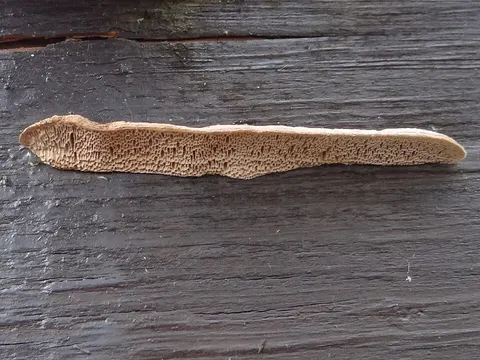
Fungus, endophyte
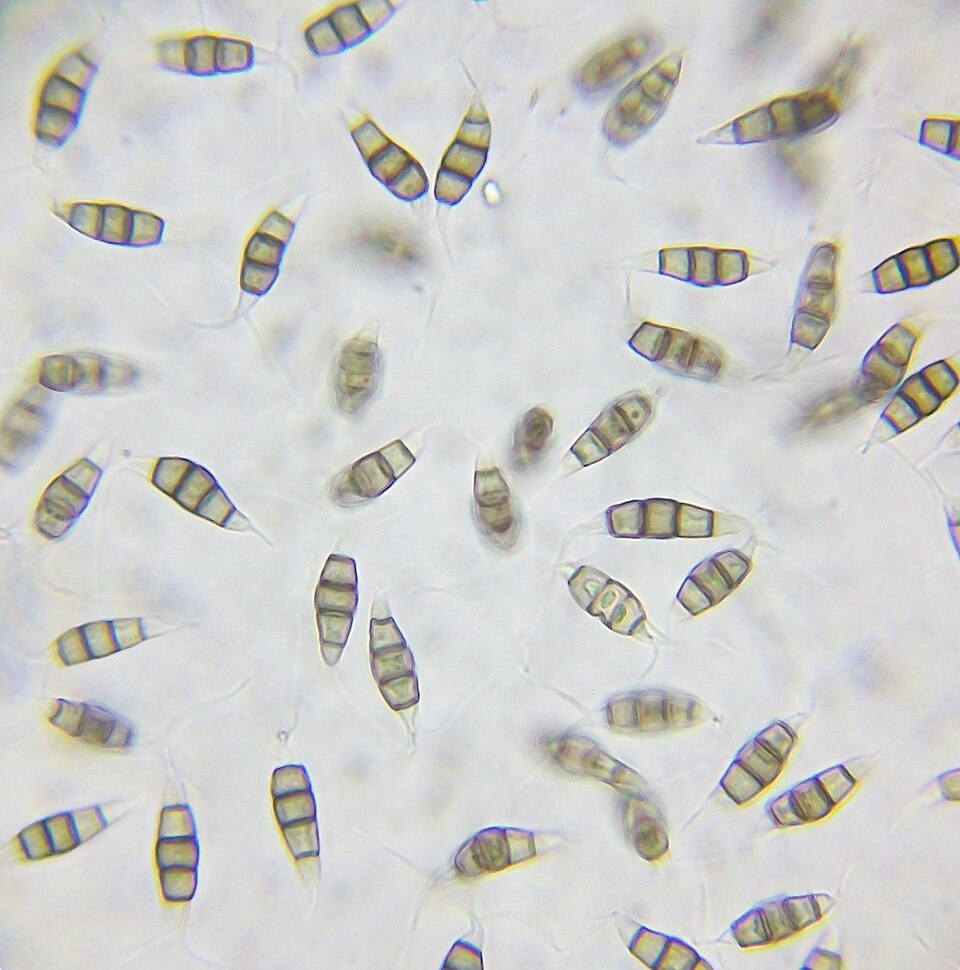
Pestalotiopsis microspora
A plant endophytic ascomycete. Two isolates grow on polyester polyurethane as sole carbon source, even without oxygen: the most cited case of fungal degradation of a plastic.
How it works
- Mechanisms
- mycodegradation
- Enzymes
- serine hydrolase
Contaminants
| Contaminant | Evidence | What was shown |
|---|---|---|
| Plastics and microplastics | laboratory | Screening of several dozen endophytic fungi on polyester polyurethane (PUR) in solid and liquid suspension: particularly robust activity in several Pestalotiopsis isolates, and two P. microspora isolates were the only ones able to grow on PUR as sole carbon source under both aerobic and anaerobic conditions. Molecular characterisation points to a serine hydrolase. |
Limits
The substrate is polyester polyurethane in suspension, that is fine particles with hydrolysable ester bonds: the result does not extend to solid objects or to polyethylene, polypropylene or PET. The activity is not shared by the whole genus. A single laboratory study; no application was found.
Sources
Draft compiled from public sources, not yet reviewed.
Other species for the same contaminants
Species that the literature reports acting on at least one of this one's contaminants, the closest first.