Plant, grass
Chrysopogon zizanioides
Vetiver grass
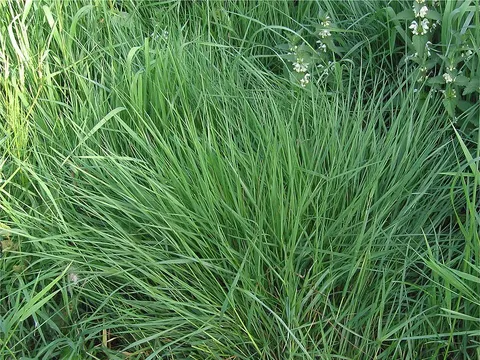
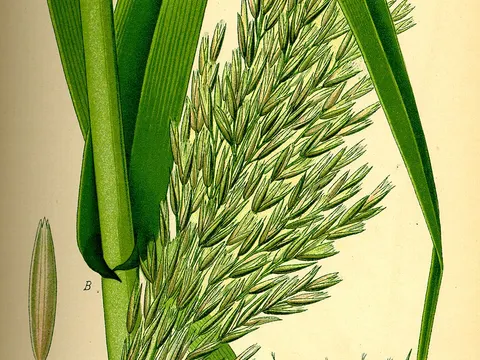
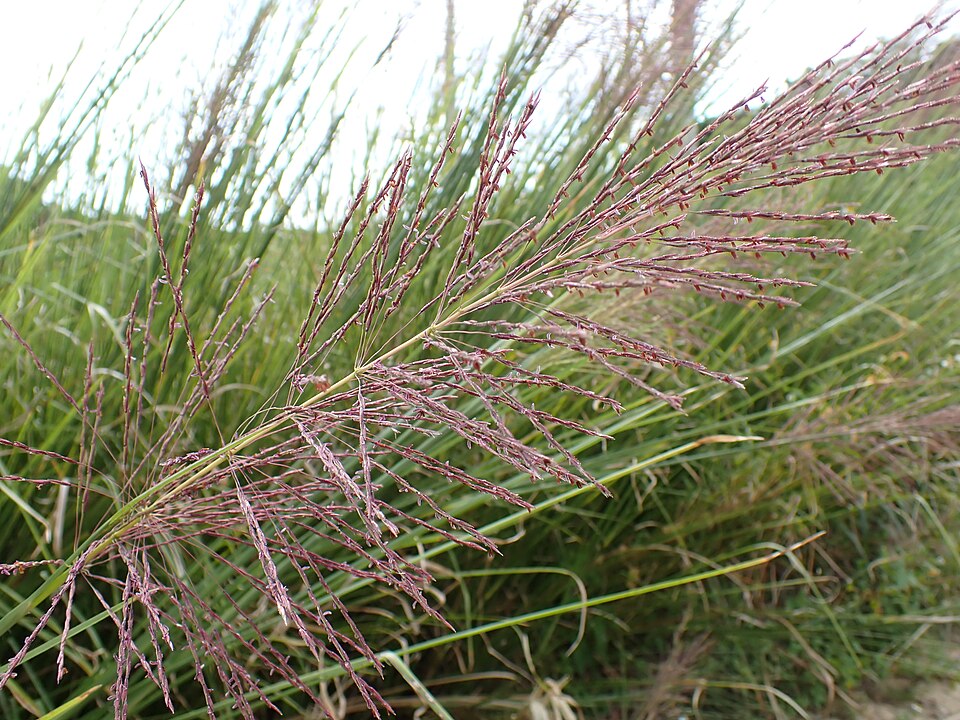
A tussock grass (formerly Vetiveria zizanioides) known for its use against erosion. It tolerates extreme soil and climate conditions and many metals, which it holds mainly in its roots: a plant for stabilisation and for treating water and leachate.
How it works
- Mechanisms
- phytostabilisationrhizofiltrationphytodegradation
Contaminants
| Contaminant | Evidence | What was shown |
|---|---|---|
| Lead | greenhouse | Review of glasshouse and field studies: it tolerates pH 3.3 to 9.5, salinity and a wide range of metals (As, Cd, Cr, Cu, Hg, Ni, Pb, Se, Zn); it can accumulate lead up to 0.4% in shoots and 1% in roots, and zinc up to 1%. Most metals stay in the roots: suited to phytostabilisation, and to phytoextraction only with chelating agents (Danh et al. 2009). |
| Explosives (TNT, RDX) | greenhouse | In pots, in urea-treated soil, complete removal of TNT at 40 mg/kg; without vetiver no significant change in soil TNT over 48 days (Das et al. 2010). |
| Landfill leachate | greenhouse | Leachates from two municipal landfills in northern Italy, potted plants on zeolite watered for four months with undiluted leachate: the authors report high bioaccumulation of metals and judge the species suitable for reducing and decontaminating leachate by evapotranspiration (Fasani et al. 2019). |
Limits
The review itself acknowledges that for metal accumulation vetiver is less effective than other species: its merit is tolerance. Metals stay in the roots, hence on site. It is a tropical plant: the review reports survival down to −15 °C, but growth needs warmth. The TNT and leachate data come from pot trials.
Where it has been tried
Tongling copper mine tailings ponds
PhytoremediationField scale
Imperata cylindrica, Chrysopogon zizanioides
Revegetation of the Shuimuchong pond (44 ha): Imperata cylindrica that established spontaneously and planted vetiver (Chrysopogon zizanioides). Li and colleagues compared the two covers with bare tailings along a 60 cm profile, measuring substrate chemistry and microbial communities.
Outcome Both covers slowed the degradation of the tailings, raising pH in the top 30 cm, and changed the bacterial communities in the top 20 cm; according to the authors revegetation, especially with Imperata, helps the microbial community develop and hinders sulphide oxidation. The study does not measure a fall in total metals.
Mae Tao, Mae Sot (cadmium in rice paddies)
PhytoremediationField scale, 2006
Chrysopogon zizanioides, Chrysopogon nemoralis
Four vetiver ecotypes (two of Chrysopogon nemoralis and two of C. zizanioides) grown in the Padaeng Industry zinc mine area to assess growth in the field on contaminated ground (Roongtanakiat).
Outcome The two C. zizanioides ecotypes grew well with high biomass. The review does not give the amounts of metal taken up.
Sources
- Danh et al., Int. J. Phytoremediation 11:664, 2009
- Das et al., Environ. Pollut. 158:1980, 2010
- Fasani et al., Environ. Sci. Pollut. Res. 26:10057, 2019
Draft compiled from public sources, not yet reviewed.
Other species for the same contaminants
Species that the literature reports acting on at least one of this one's contaminants, the closest first.