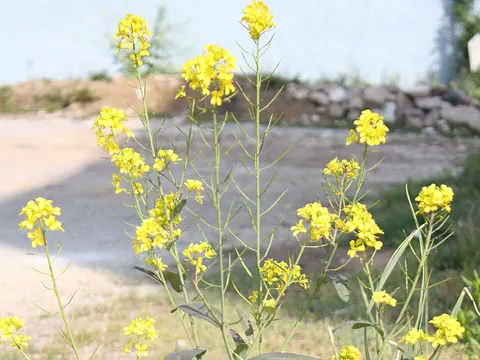
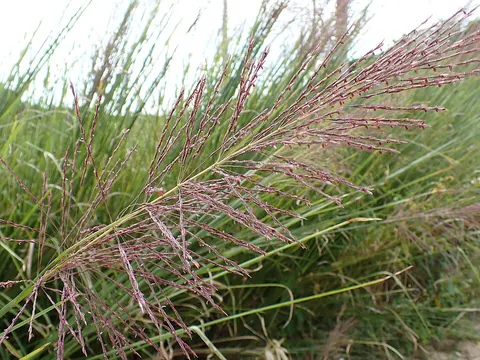
Plant, grass
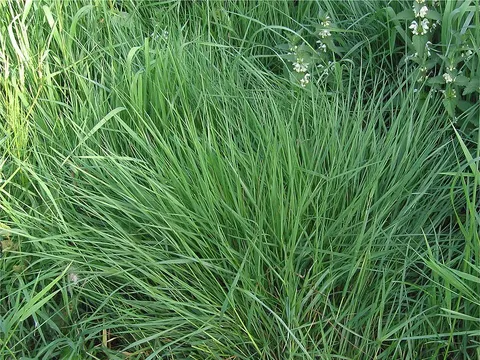
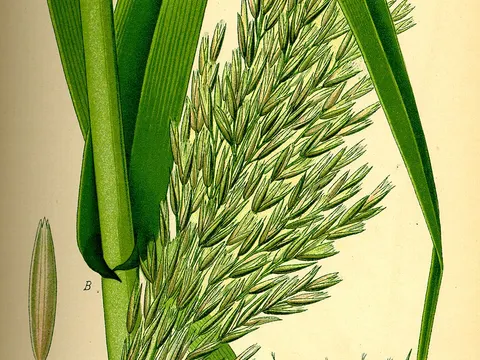
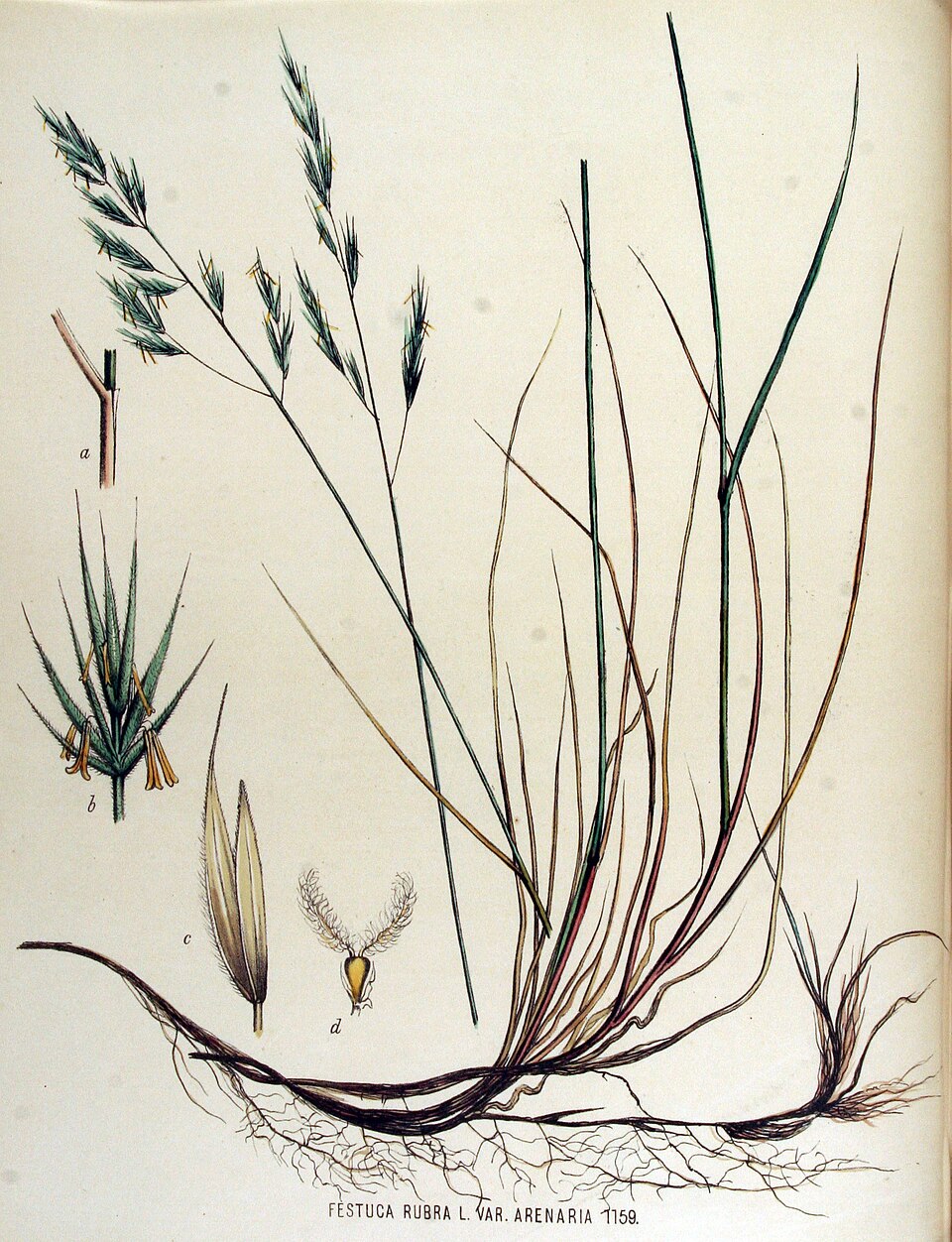
Festuca rubra
Red fescue
A rhizomatous turf grass with populations tolerant of lead and zinc. The cultivar 'Merlin', selected on calcareous wastes, was among the first commercial plants for phytostabilisation, often sown together with Agrostis capillaris.
How it works
- Mechanisms
- phytostabilisation
Contaminants
| Contaminant | Evidence | What was shown |
|---|---|---|
| Lead | field | In the British field experiments on mine wastes tolerant populations formed a stabilising cover that lasted nine years; cultivar 'Merlin' is the one for calcareous lead-zinc wastes (Smith and Bradshaw 1979). |
| Zinc | field | Sown with A. capillaris on 3 hectares of a highly phytotoxic Belgian industrial area, after soil treatment with beringite: a complete, healthy cover, confirmed at 30 months (Vangronsveld et al. 1995). |
Limits
It stabilises, it does not clean up: metals stay where they are. Tolerance belongs to the population, not the species: an ordinary lawn red fescue will not cope. It needs fertiliser, and on the most toxic soils an amendment. Management lasts as long as the site.
Where it has been tried
Lommel-Maatheide and the Campine (zinc smelters)
PhytoremediationField scale, 1990–
Agrostis capillaris, Festuca rubra
In 1990 three hectares of bare, acid sandy soil at the former smelter were treated with beringite (a modified aluminosilicate from fluidised-bed burning of coal refuse) and composted municipal waste, then sown with metal-tolerant ecotypes of Agrostis capillaris and Festuca rubra.
Outcome A healthy plant cover developed; the water-extractable metal fraction in treated soil was up to 70 times lower than in untreated soil, and the soil's biological parameters also recovered.
- Vangronsveld J. et al., rehabilitation study at the Maatheide zinc smelter site with beringite and compost (repository record; title not verified, read via search extract), documentserver.uhasselt.be
- Lommel-Maatheide phytostabilisation case (repository record; title not verified, read via search extract), documentserver.uhasselt.be
Sources
Draft compiled from public sources, not yet reviewed.
Other species for the same contaminants
Species that the literature reports acting on at least one of this one's contaminants, the closest first.