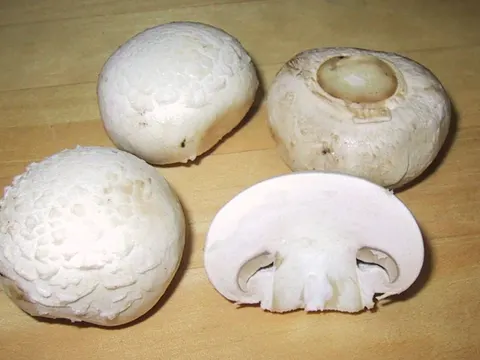
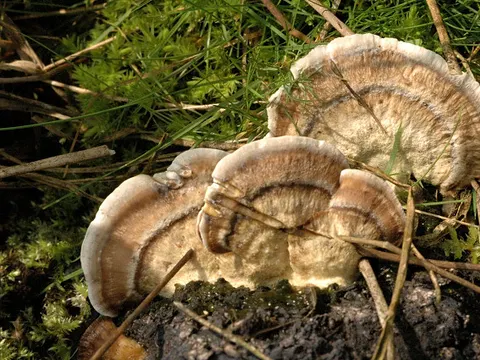
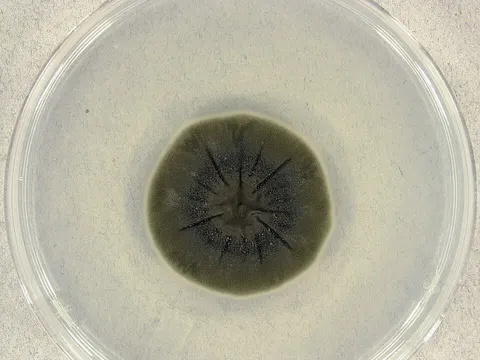
Fungus, white rot
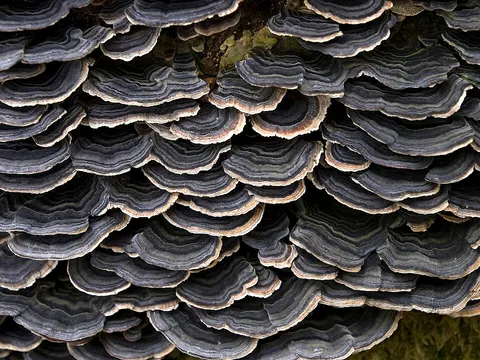
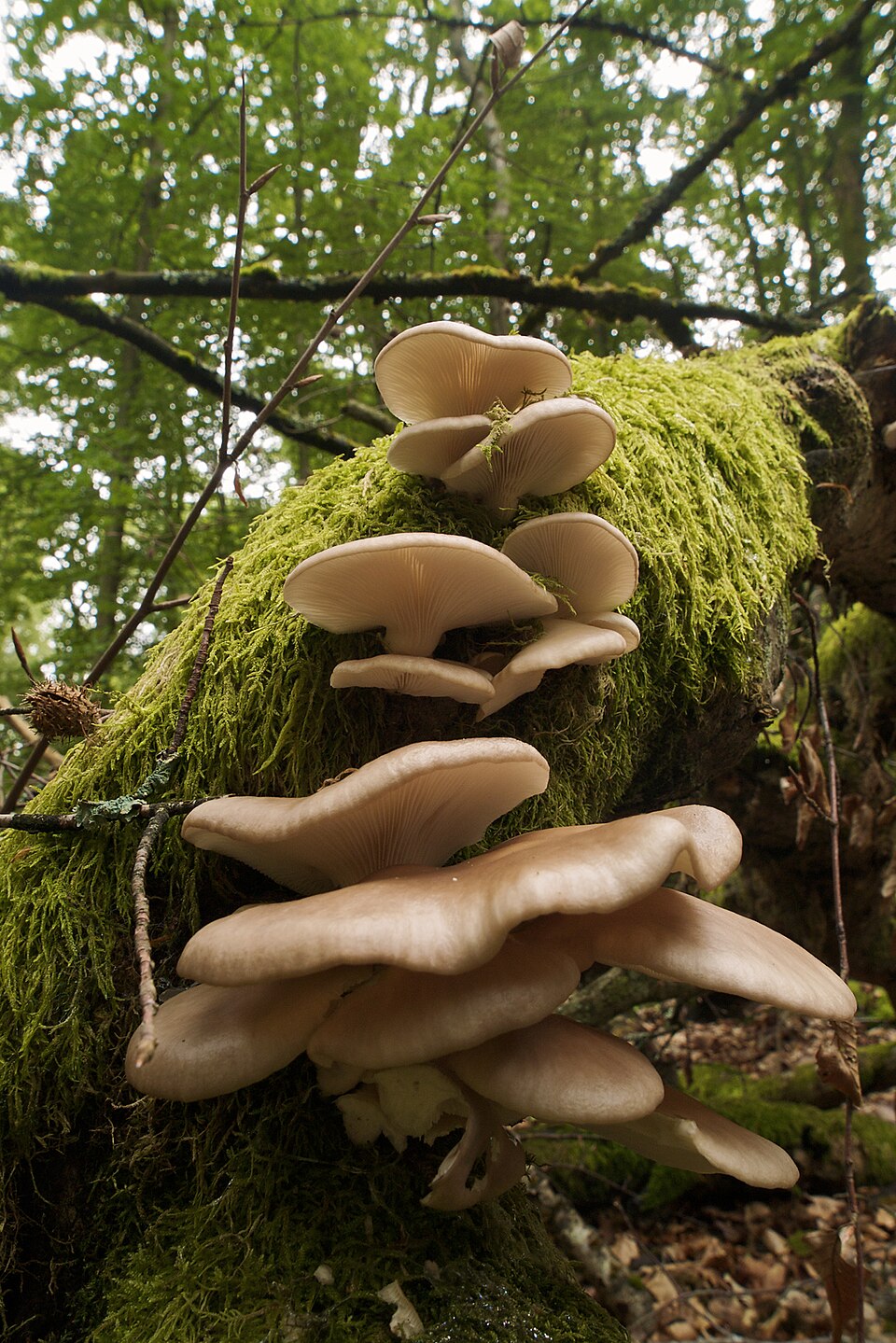
Pleurotus pulmonarius
Phoenix oyster, Indian oyster
An oyster mushroom grown mainly in Asia. Its remediation interest lies less in the living mycelium than in its spent compost: the substrate left after cropping retains active laccase and manganese peroxidase, nutrients and its own microflora, and is an abundant waste.
How it works
- Mechanisms
- mycodegradationbiosorption
- Enzymes
- laccase, manganese peroxidase
Contaminants
| Contaminant | Evidence | What was shown |
|---|---|---|
| Petroleum hydrocarbons | laboratory | Ex situ treatment of real industrial soils with spent compost (scale not stated in the abstract): two 3% applications to soil with 5.4-6.9 g/kg TPH gave 56-64% disappearance of TPH and 31-33% of oil and grease; in soil from a power plant (1.2 g/kg TPH) a single 0.3% application removed 40-45% in 22 days. |
| Phenols and chlorophenols | laboratory | Pentachlorophenol in water: 5% spent compost removed 89.0 ± 0.4% of 100 mg/L in 2 days at room temperature, mostly by biodegradation (dechlorination, methylation, carboxylation, ring cleavage); maximum capacity 15.5 mg PCP per g compost. |
| Polycyclic aromatic hydrocarbons | laboratory | Sandy-loam soil spiked with 200 mg/kg naphthalene, phenanthrene, benzo[a]pyrene or benzo[g,h,i]perylene: complete removal in 2 days with 5% spent compost, but under continuous shaking at 80 °C; toxicity (Microtox) was reduced or removed. |
| Pesticides (mixed) | laboratory | Atrazine in liquid culture: the fungus converts it to desethylatrazine, desisopropylatrazine, desethyl-desisopropylatrazine and a metabolite hydroxylated on the isopropyl chain. This is transformation, not mineralisation: the chlorinated triazine ring remains intact. |
Limits
The PAH data were obtained at 80 °C with shaking, conditions that do not occur in the field. The treated petroleum soils still held Cu, Pb and Zn (hundreds of mg/kg), which the compost does not remove. The effect of spent compost combines residual enzymes, nutrients and its own bacteria, and the contributions cannot be separated: quality varies from batch to batch.
Sources
- Chiu et al. (2009) Chemosphere 75:837-842, 2009
- Law et al. (2003) Chemosphere 52:1531-1537, 2003
- Lau, Tsang & Chiu (2003) Chemosphere 52:1539-1546, 2003
- Masaphy et al. (1993) Appl Environ Microbiol 59:4342-4346, 1993
Draft compiled from public sources, not yet reviewed.
Other species for the same contaminants
Species that the literature reports acting on at least one of this one's contaminants, the closest first.