Fungus, mould
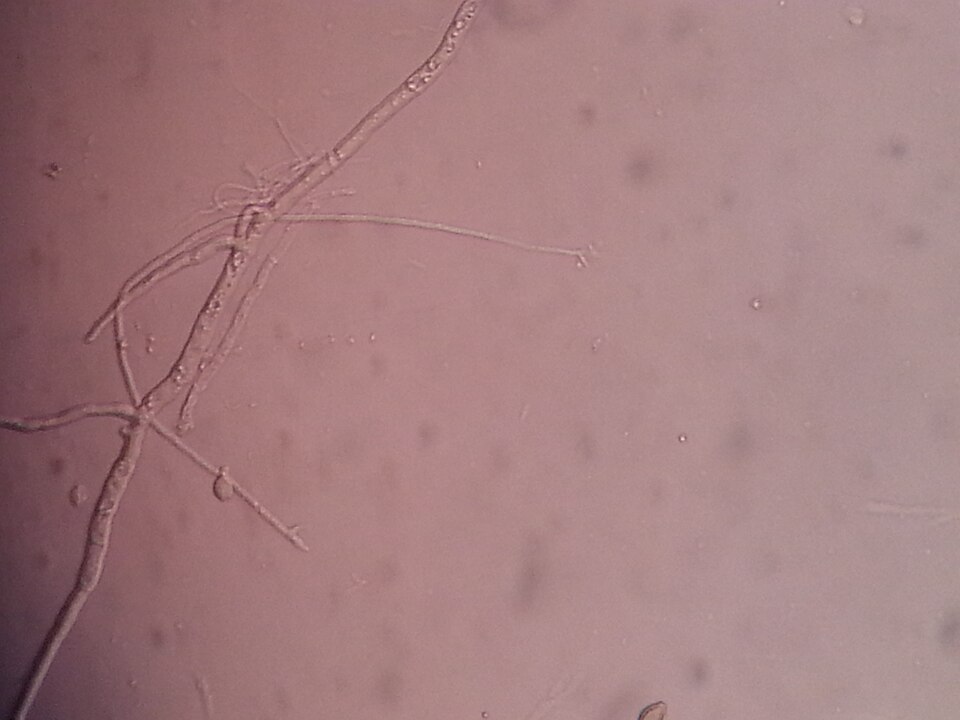
Scedosporium apiospermum
An ascomycete that often turns up in hydrocarbon-contaminated environments. It grows on toluene, phenol and p-cresol as sole carbon sources, and in a biofilter removes toluene from air. It is, however, also an opportunistic human pathogen.
How it works
- Mechanisms
- mycodegradation
- Enzymes
- catechol dioxygenase, cytochrome p450
Contaminants
| Contaminant | Evidence | What was shown |
|---|---|---|
| BTEX (benzene, toluene, ethylbenzene, xylenes) | laboratory | 2.9 L biofilter on vermiculite, inlet toluene 6 g/m3: stable elimination capacity of 100 g per m3 reactor per hour for 20 days, and about 258 g/m3/h at 98% efficiency with periodic addition of mineral medium. Strain TB1 had been isolated from a biofilter run on toluene for over 6 months. |
| Phenols and chlorophenols | laboratory | A soil isolate uses phenol and p-cresol as carbon and energy source: catabolism through catechol, hydroxyhydroquinone and protocatechuate, cleaved intradiolically by inducible dioxygenases and fed into the 3-oxoadipate pathway. |
| Petroleum hydrocarbons | laboratory | Genomic evidence, not measured degradation: the genome of an environmental strain (44.2 Mbp, 11,195 predicted genes) holds dioxygenase and cytochrome P450 families and potential pathways for toluene, xylene, ethylbenzene, naphthalene, PAHs, chlorobenzene and others. |
Limits
It is an opportunistic pathogen (the 2017 genome comparison is with a clinical strain): not an organism to release into the environment or handle without containment. Evidence comes from biofilters and cultures. The biofilter needs moisture control (55-60%) and periodic nutrients to keep its efficiency.
Sources
- García-Peña et al. (2001) Biotechnol Bioeng 76:61-69, 2001
- Claussen & Schmidt (1998) Res Microbiol 149:399-406, 1998
- Morales et al. (2017) Stand Genomic Sci 12:71, 2017
Draft compiled from public sources, not yet reviewed.
Other species for the same contaminants
Species that the literature reports acting on at least one of this one's contaminants, the closest first.