Fungus, white rot
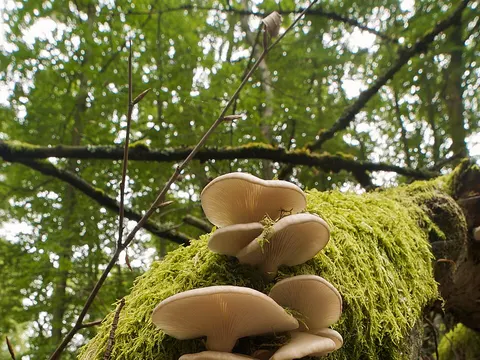
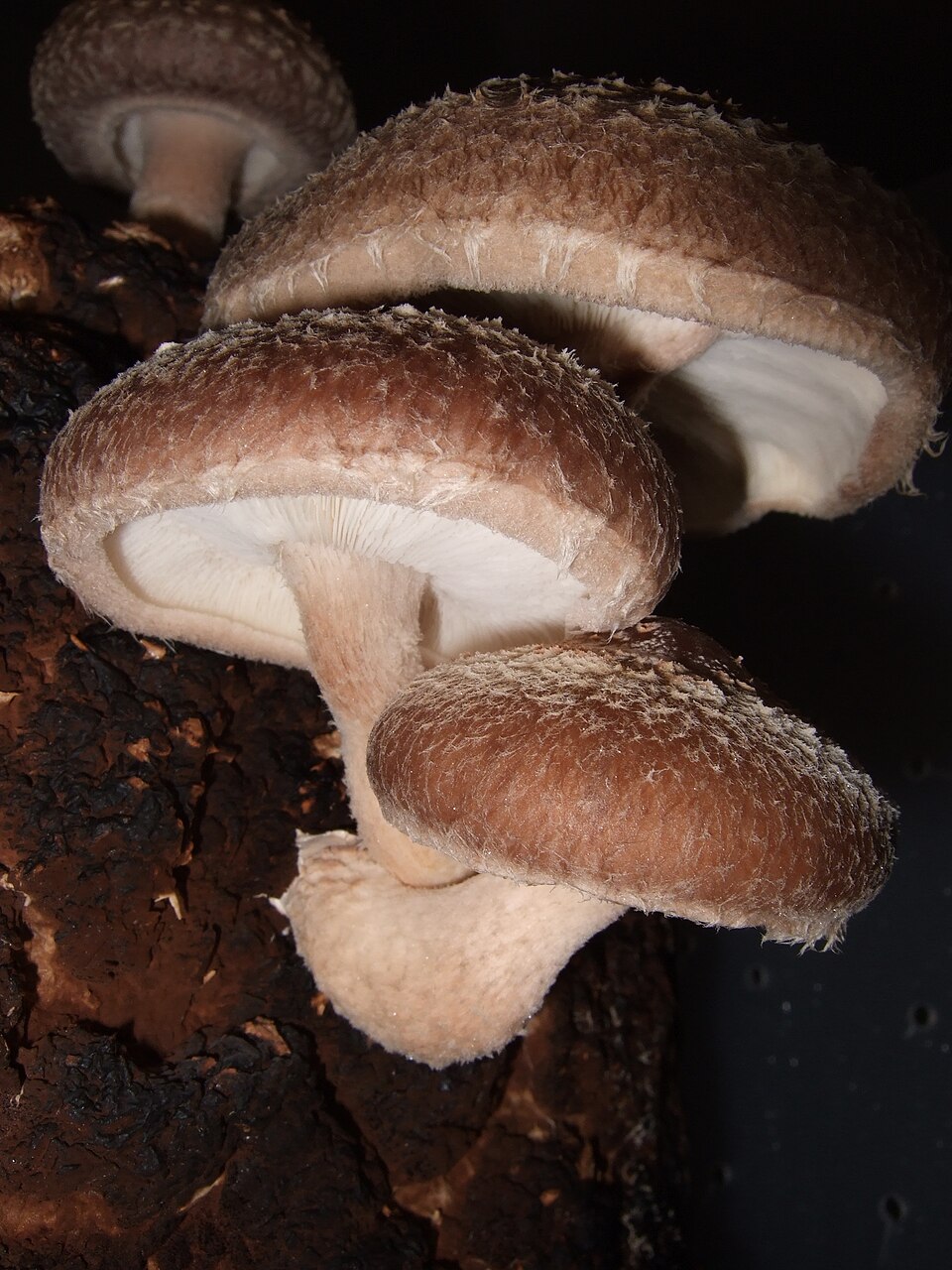
Lentinula edodes
Shiitake
A wood-inhabiting mushroom cultivated worldwide. In soil it transforms pentachlorophenol and, unlike Phanerochaete chrysosporium, works well at low temperature and in drier soil.
How it works
- Mechanisms
- mycodegradation
- Enzymes
- laccase, manganese peroxidase
Contaminants
| Contaminant | Evidence | What was shown |
|---|---|---|
| Phenols and chlorophenols | laboratory | Pentachlorophenol biotransformation in soil: at 10 °C L. edodes was more effective than P. chrysosporium (P < 0.05), at 15 °C the two were similar, and both peaked at 25 °C. For L. edodes degradation is highest at 26% moisture and falls in wetter soil; optimum pH 4.0. |
| Synthetic dyes | laboratory | A partially purified enzyme extract (laccase, MnP, cellulase, xylanase) from L. edodes grown on macaúba coconut residue decolorised 40% of an indigo dye. |
Limits
Evidence is limited to soil microcosms and enzyme assays; no field trial was found. The pH optimum of 4.0 is far from that of many soils. The PCP study measures loss of the compound, not the fate of its products.
Sources
- Okeke et al. (1996) Appl Microbiol Biotechnol 45:263-266, 1996
- da Luz et al. (2023) 3 Biotech 13:406, 2023
Draft compiled from public sources, not yet reviewed.
Other species for the same contaminants
Species that the literature reports acting on at least one of this one's contaminants, the closest first.