Fungus, mould
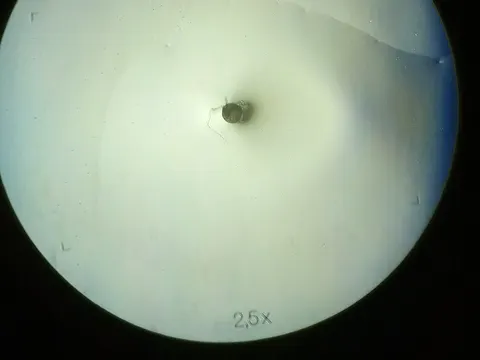
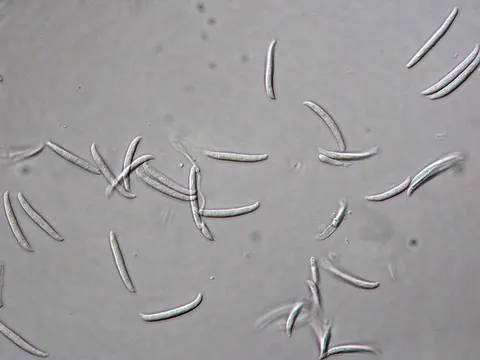
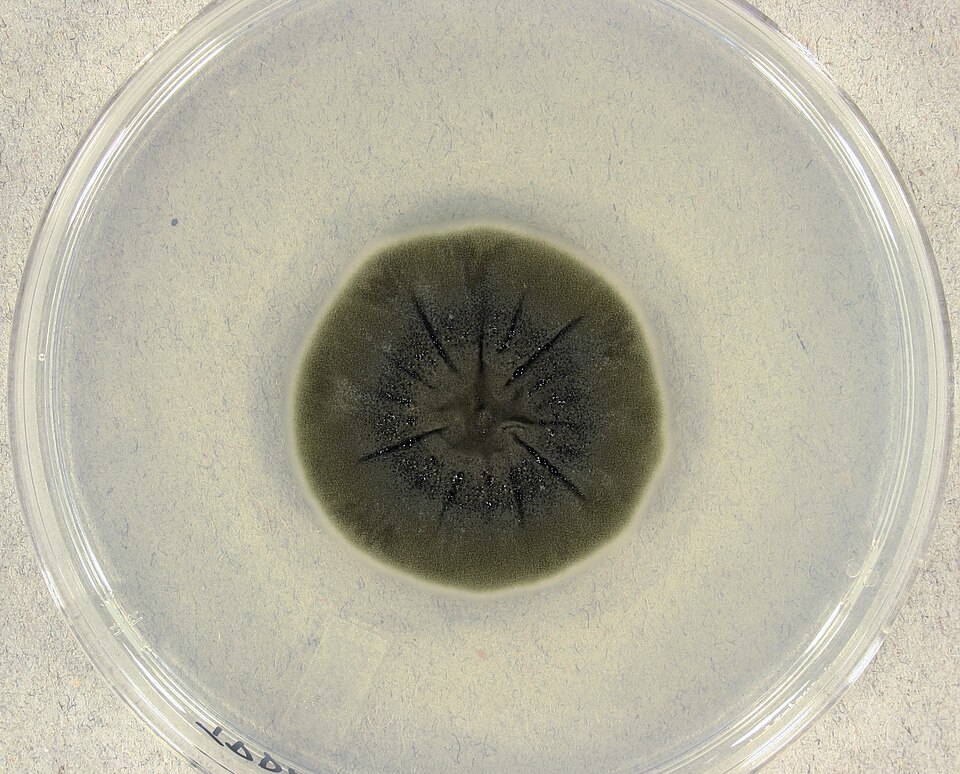
Cladosporium sphaerospermum
A melanised mould. It is among the dark fungi associated with the Chernobyl plant, where about 2,000 strains of 200 species have been isolated, and in the laboratory it grows better under ionising radiation when nutrients are scarce. Another strain, isolated from gasworks soil, degrades PAHs in non-sterile soil.
How it works
- Mechanisms
- mycodegradation
- Enzymes
- laccase
Contaminants
| Contaminant | Evidence | What was shown |
|---|---|---|
| Radionuclides (mixed) | laboratory | Not a removal figure. Ionising radiation changes the electronic properties of melanin (4-fold higher capacity to reduce NADH) and enhances the growth of melanised C. sphaerospermum under nutrient limitation; melanised cells of Wangiella dermatitidis and Cryptococcus neoformans exposed to about 500 times background grow faster. Hyphae of fungi isolated at Chernobyl grow towards beta and gamma sources, and many of these fungi grow into and decompose hot particles of radioactive graphite. |
| Polycyclic aromatic hydrocarbons | laboratory | Strain isolated from aged gasworks soil: in non-sterile soils it degraded on average 23% of PAHs in 4 weeks, high-molecular-weight ones included, in proportion to fungal establishment; in liquid culture 18% of benzo[a]pyrene in 4 days. Of the ligninolytic enzymes tested only laccase was detected. |
Limits
None of the papers consulted shows this fungus lowering the radioactivity of a soil or material: the data concern growth, tropism and resistance, not decontamination. The idea that melanin harvests energy from radiation is put forward by the authors as a possibility, not an established fact. PAH removal is modest (23%).
Sources
- Dadachova et al. (2007) PLoS One 2:e457, 2007
- Zhdanova et al. (2004) Mycol Res 108:1089-1096, 2004
- Dadachova & Casadevall (2008) Ionizing radiation: how fungi cope, adapt, and exploit with the help of melanin. Curr Opin Microbiol 11:525-531, 2008
- Potin, Veignie & Rafin (2004) FEMS Microbiol Ecol 51:71-78, 2004
Draft compiled from public sources, not yet reviewed.
Other species for the same contaminants
Species that the literature reports acting on at least one of this one's contaminants, the closest first.