Fungus, mycorrhizal
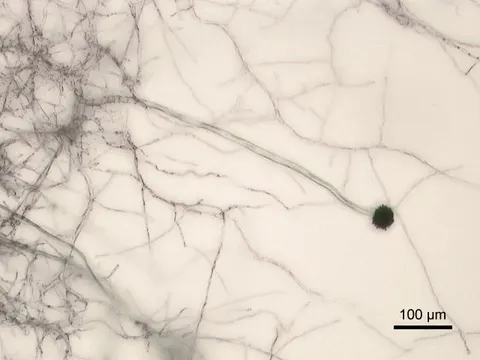
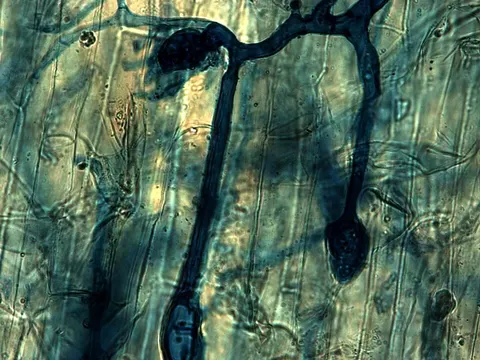
Funneliformis mosseae
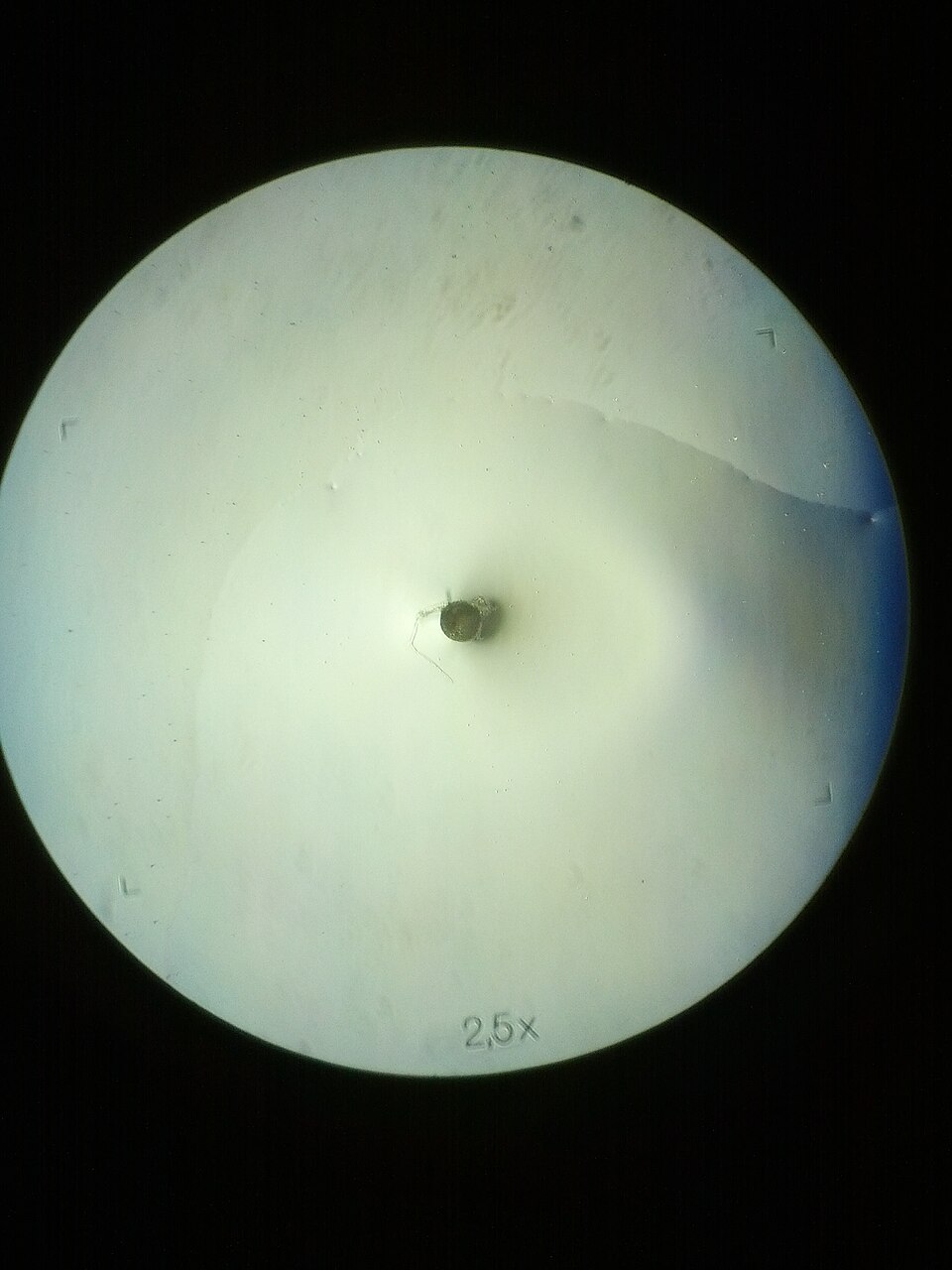
An arbuscular mycorrhizal fungus, formerly Glomus mosseae. It supports phytoremediation in several documented ways: it improves plant growth on industrial soils and PAH dissipation in the rhizosphere, alters arsenic and uranium uptake in the fern Pteris vittata, and produces glomalin, a glycoprotein that binds copper, cadmium and lead.
How it works
- Mechanisms
- mycorrhizal supportphytostabilisationrhizodegradation
Contaminants
| Contaminant | Evidence | What was shown |
|---|---|---|
| Polycyclic aromatic hydrocarbons | greenhouse | A 26-week pot experiment with clover and ryegrass on two industrial soils (0.4 and 2 g/kg of 12 PAHs): PAH concentration falls with proximity to roots and mycorrhiza enhances dissipation where a plant effect is present; it also favours clover over ryegrass. |
| Arsenic | greenhouse | Pteris vittata in a glasshouse, soil with 300 mg/kg added As: colonisation (about 50% of root length) increased frond biomass and lowered frond As concentration by 33-38%, but total arsenic transferred to fronds rose by 43%. |
| Uranium | greenhouse | Pteris vittata on uranium-mine soil (111 mg/kg U): in roots colonised by G. mosseae the U concentration reached 1574 mg/kg, the highest in the trial; less than 2% of the uranium reaches the fronds. |
| Copper | laboratory | Sorghum colonised by G. mosseae and fed 20 µM Cu: glomalin extracted from hyphae held on average 1.6 mg Cu/g. Glomalin extracted from two polluted soils contained 1.6-4.3 mg Cu, 0.02-0.08 mg Cd and 0.62-1.12 mg Pb per gram. |
Limits
In the PAH trial extractable concentrations rose again at the final harvest in both soils, exceeding initial values in unplanted pots: measured dissipation is not certain degradation. The mycorrhizal effect appears only where a plant effect already exists. No difference in bound copper between tolerant and non-tolerant isolates. An obligate symbiont; pot data.
Where it has been tried
Sito metallurgico dismesso dell'Italia nord-occidentale (arsenico)
PhytoremediationField scale, 2014–2017
Pteris vittata, Rhizophagus spp., Funneliformis spp.
The University of Eastern Piedmont (Cantamessa, Massa, Gamalero, Berta) grew the fern Pteris vittata, inoculated or not with arbuscular mycorrhizal fungi, first for two years in a greenhouse on soil from the site and then for three years on the site itself, from March 2014, measuring arsenic at two depths.
Outcome In the greenhouse soil arsenic fell from 170 to 49 mg/kg with mycorrhizal ferns. In the field, by the third year, nearly all sub-areas were below 50 mg/kg in the 0–0.2 m layer (one stayed above the limit); fronds held 835 mg/kg of As on average. Between 0.2 and 0.4 m the decline was slower, which the authors put down to cadmium toxicity.
Sources
- Joner & Leyval (2003) Environ Sci Technol 37:2371-2375, 2003
- Liu et al. (2005) Mycorrhiza 15:187-192, 2005
- Chen, Zhu & Smith (2006) Chemosphere 62:1464-1473, 2006
- González-Chávez et al. (2004) Environ Pollut 130:317-323, 2004
- Cicatelli et al. (2010) Ann Bot 106:791-802, 2010
Draft compiled from public sources, not yet reviewed.
Other species for the same contaminants
Species that the literature reports acting on at least one of this one's contaminants, the closest first.