Fungus, yeast
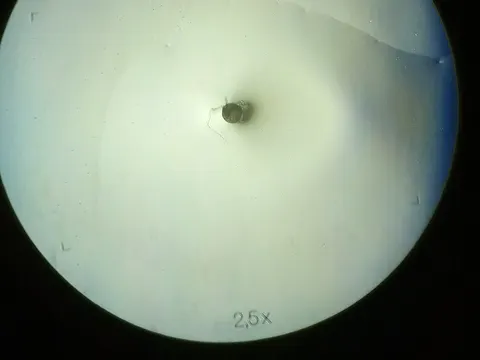
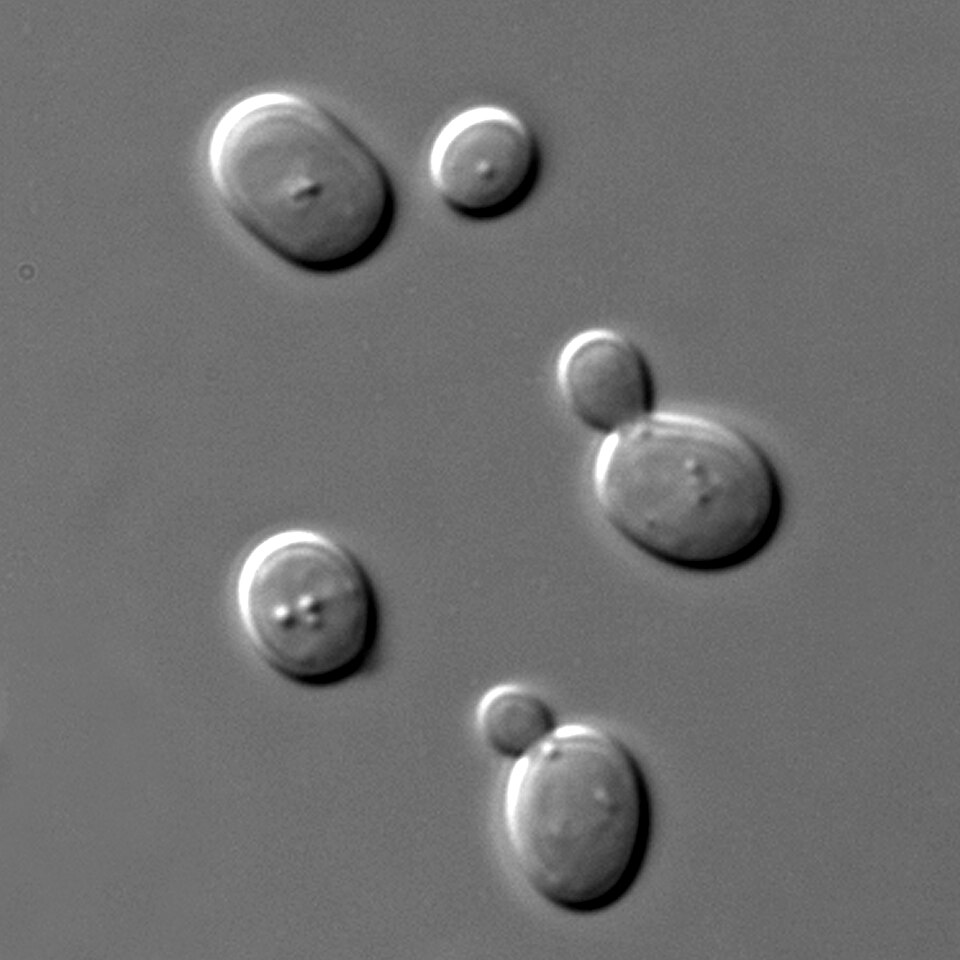
Saccharomyces cerevisiae
Baker's yeast, brewer's yeast
Baker's yeast is of interest as a biosorbent because it is an abundant, cheap by-product of fermentation and easy to manipulate, not because it binds metals better than other fungi: its capacity is mediocre. It suits waters with low metal concentrations, from 1 to 100 mg/L.
How it works
- Mechanisms
- biosorption
Contaminants
| Contaminant | Evidence | What was shown |
|---|---|---|
| Uranium | laboratory | Uranium accumulates extracellularly on the cell surface, with no need for active metabolism, up to 10-15% of cell dry weight; only 32% of the cells, however, showed deposits visible by electron microscopy. The uranium can be stripped chemically and the cells reused. |
| Lead | laboratory | According to a literature review, lead and uranium are among the metals the yeast removes most effectively from dilute solutions. Sorption depends on pH, metal-to-biomass ratio, culture conditions, ligands and competing ions. |
Limits
Lower capacity than other fungi; strong interference from competing anions and cations and from pH; mechanisms only partly understood (Wang & Chen 2006). It is a treatment for water, not soil, and yields metal-laden biomass to regenerate or dispose of.
Sources
- Wang & Chen (2006) Biotechnol Adv 24:427-451, 2006
- Strandberg, Shumate & Parrott (1981) Appl Environ Microbiol 41:237-245, 1981
Draft compiled from public sources, not yet reviewed.
Other species for the same contaminants
Species that the literature reports acting on at least one of this one's contaminants, the closest first.