Fungus, mould
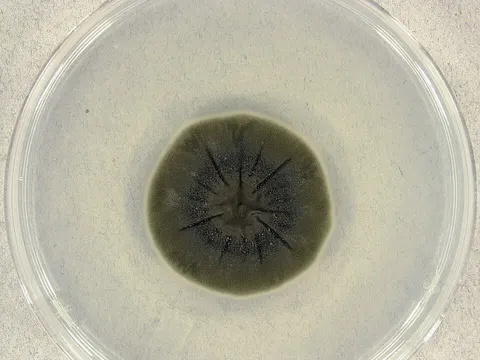
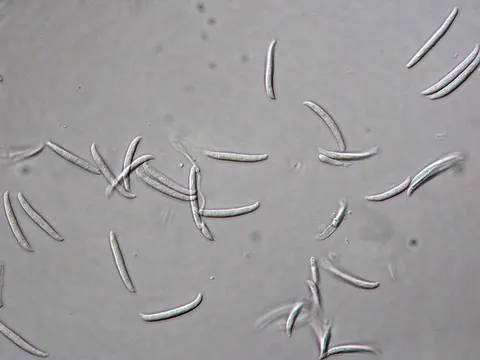
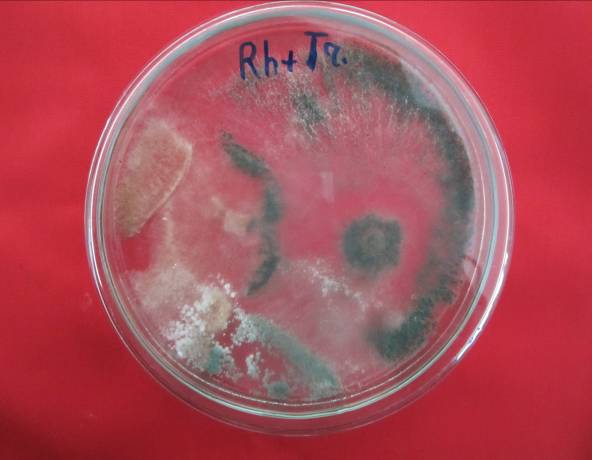
Trichoderma asperellum
A soil ascomycete. Strain H15, selected for PAH tolerance, degrades PAHs in soil microcosms, benzo[a]pyrene included, with enzymes different from those of white-rot fungi.
How it works
- Mechanisms
- mycodegradation
- Enzymes
- catechol 1 2 dioxygenase, laccase, peroxidase
Contaminants
| Contaminant | Evidence | What was shown |
|---|---|---|
| Polycyclic aromatic hydrocarbons | laboratory | Soil microcosms with sugarcane bagasse: up to 78% of phenanthrene degraded in 14 days at 1,000 mg/kg; with a three-PAH mixture at 1,000 mg/kg, 74% of phenanthrene, 63% of pyrene and 81% of benzo[a]pyrene were degraded. |
Limits
A single strain and soil spiked in the laboratory with fresh PAHs, far more available than those of an aged site; an added substrate (bagasse) is needed. No field trial was found.
Sources
- Zafra et al. (2015) Environ Sci Pollut Res 22:1034-1042, 2015
- Zafra & Cortés-Espinosa (2015) Environ Sci Pollut Res 22:19426-19433, 2015
Draft compiled from public sources, not yet reviewed.
Other species for the same contaminants
Species that the literature reports acting on at least one of this one's contaminants, the closest first.