Plant, tree
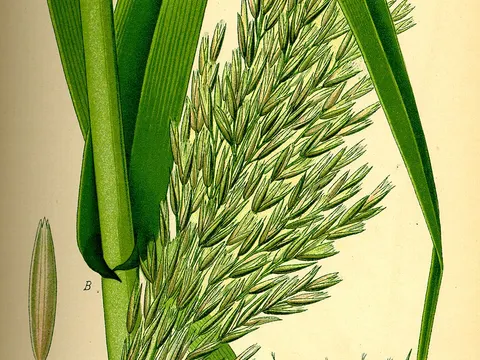
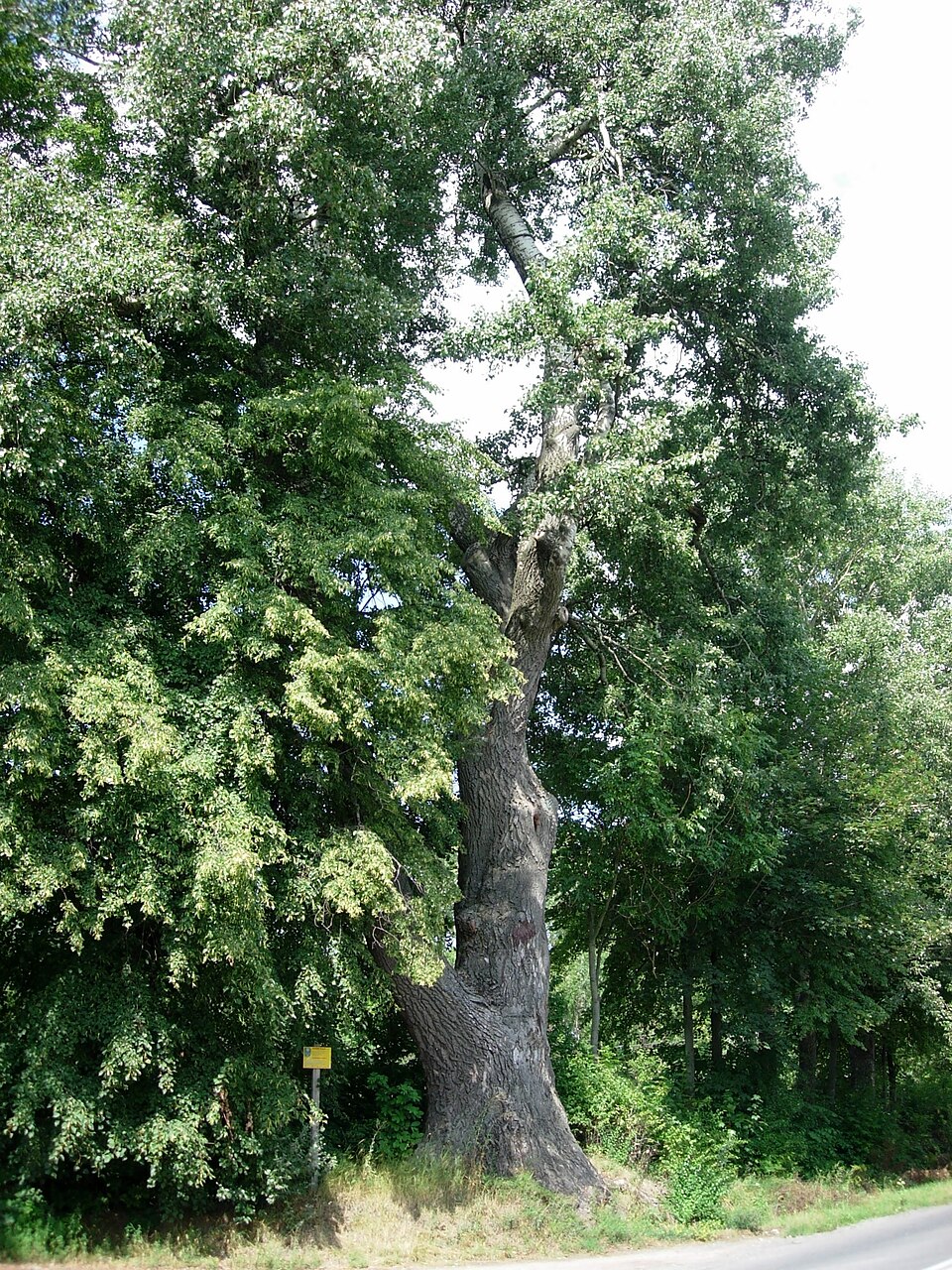
Populus alba
White poplar
A poplar growing wild along Italian rivers. A large field trial in Italy showed marked differences in survival and in copper and zinc accumulation among clones from natural populations: the choice of genotype matters as much as the choice of species.
How it works
- Mechanisms
- phytoextractionphytostabilisation
Contaminants
| Contaminant | Evidence | What was shown |
|---|---|---|
| Copper | field | Field trial on soil heavily polluted with metals using 168 clones of P. alba and P. nigra from natural populations of northern Italy: after one season, clonal differences in survival and growth; among the six clones selected, P. alba clone AL35 had distinctly higher copper and zinc concentrations in roots (Castiglione et al. 2009). |
| Zinc | field | In the same trial clonal differences in zinc concentration were clearest in leaves and stems; leaf polyamine levels correlated with tissue metals (Castiglione et al. 2009). |
Limits
The study covers a single growing season and measures tissue concentrations, not the reduction of metal in soil. The highest accumulation is in roots: this is stabilisation more than extraction. Falling leaves return zinc to the soil.
Where it has been tried
Aznalcóllar spill and the Guadiamar Green Corridor
PhytoremediationField scale, 1998–2005
Populus alba
After the sludge was removed the valley was amended and reforested with native woody species: phytomanagement on a large scale. Domínguez, Marañón, Murillo, Schulin and Robinson measured trace elements in soil and woody plants seven years after the spill.
Outcome Concentrations in the plants were on average within the normal range for higher plants, meaning that the elements do not move into the vegetation to any great extent. White poplar is the exception: it accumulated up to 3 mg/kg of cadmium and 410 mg/kg of zinc in its leaves.
Serravalle Scrivia (land next to the KME works)
PhytoremediationField scale
Populus alba, Populus nigra
Castiglione, Lingua, Berta, Biondi and colleagues planted 168 clones of white and black poplar collected from natural populations in northern Italy, scoring survival and growth after one season and Cu and Zn accumulation in the six best clones.
Outcome Clones differed in survival, growth and metal concentration in leaves and stems; clone AL35 of Populus alba concentrated more of both metals in its roots. The result is a selection of genotypes after a single year: no fall in soil metals is reported.
- Castiglione et al., Clonal differences in survival capacity, copper and zinc accumulation, and correlation with leaf polyamine levels in poplar: a large-scale field trial on heavily polluted soil, Environmental Pollution, 2009
- Cicatelli et al., Arbuscular mycorrhizal fungi restore normal growth in a white poplar clone grown on heavy metal-contaminated soil, Annals of Botany, 2010
MycoremediationGreenhouse, with soil from the site
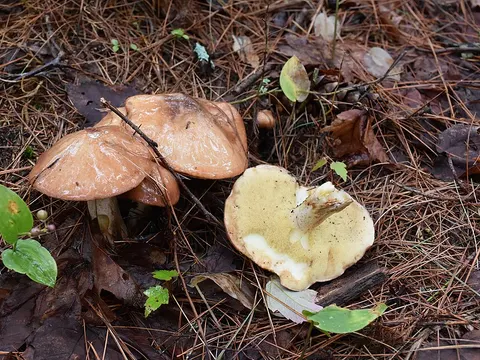
Populus alba, Glomus mosseae, Glomus intraradices
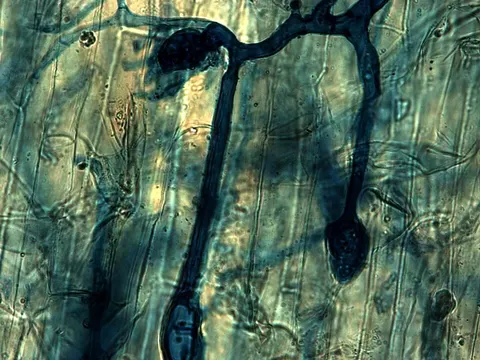
Greenhouse trial: cuttings of white poplar clone AL35, pre-inoculated or not with arbuscular mycorrhizal fungi, grown in pots on soil taken from the site (on average 950 mg/kg zinc and 1,300 mg/kg copper) and on unpolluted soil.
Outcome On polluted soil, non-mycorrhizal plants lost about 85% of their biomass; with the fungi biomass was 4 to 6 times greater, despite higher copper and zinc accumulation, mostly in the roots (copper up to 600 mg/kg). The authors speak of a greater capacity to stabilise the metals.
Sources
Draft compiled from public sources, not yet reviewed.
Other species for the same contaminants
Species that the literature reports acting on at least one of this one's contaminants, the closest first.