Plant, aquatic plant
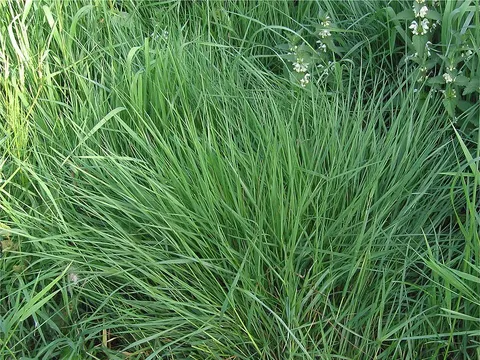
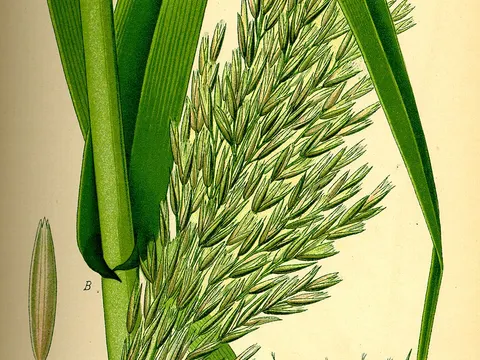
Phragmites australis
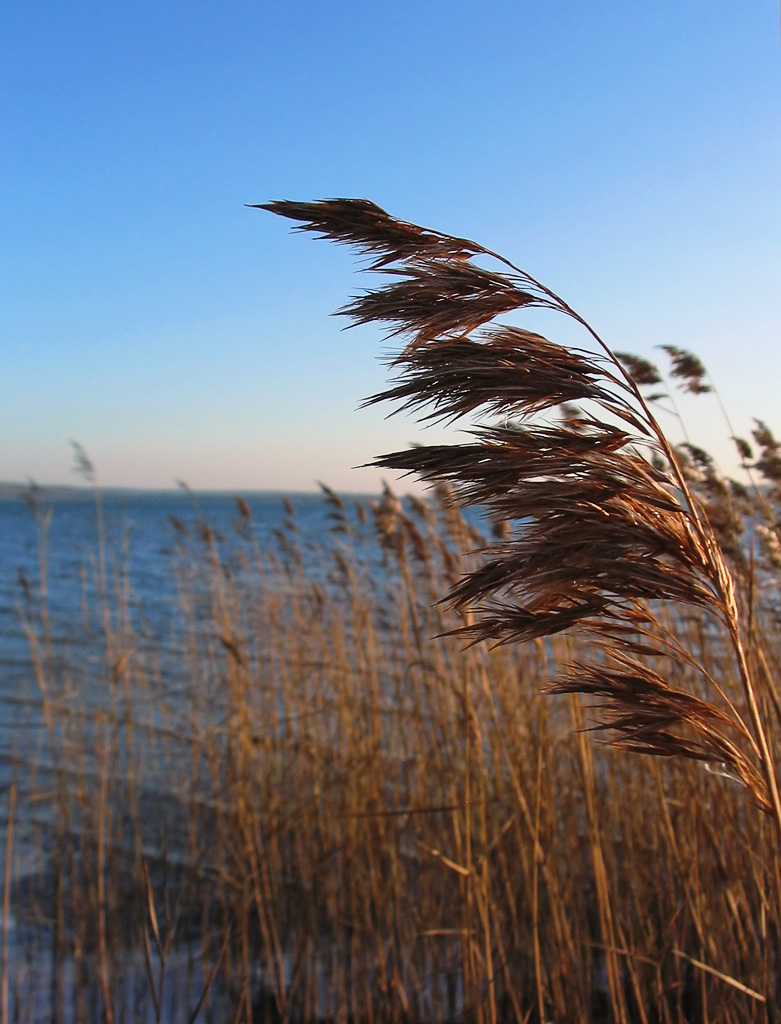
Common reed
The plant most used in constructed wetlands for water treatment. Its role is mainly supportive: it oxygenates the substrate, slows the water and hosts microbes; the metals it takes into its shoots are a small part of those the system retains.
How it works
- Mechanisms
- rhizofiltrationphytostabilisation
Contaminants
| Contaminant | Evidence | What was shown |
|---|---|---|
| Zinc | field | A constructed wetland in the Venice lagoon watershed, followed over one growing season: shoot concentrations of Cr, Ni, Cu and Zn were higher in P. australis than in Bolboschoenus maritimus, uncorrelated with metals in the incoming water or the soil, and rising towards the end of the season; distance from the inlet had no effect (Bragato et al. 2006). |
Limits
Shoot concentrations do not track those of the water or soil (Bragato et al. 2006): mowing the reed removes little metal. In wetlands metal stops in the sediments, which sooner or later must be handled as contaminated material. Outside its native range some genetic lineages are invasive; in Italy the species grows wild.
Where it has been tried
Bitterfeld-Wolfen
PhytoremediationField pilot
Phragmites australis
Pilot horizontal subsurface-flow constructed wetland planted with common reed and fed with site groundwater (20 mg/l monochlorobenzene, 0.19 mg/l 1,2-dichlorobenzene, 0.25 mg/l 1,4-dichlorobenzene), compared with an unplanted bed.
Outcome After 2 m of flow path the planted bed removed on average 48% of the monochlorobenzene and 38% of the 1,4-dichlorobenzene; the unplanted one needed twice the distance. No removal of 1,2-dichlorobenzene. Aerobic degrading bacteria were found.
Former An-Shun plant, Tainan
Microbial bioremediationGreenhouse, with soil from the site
Photobacterium spp., Vigna unguiculata subsp. sesquipedalis, Phragmites australis
From the rhizosphere of the reeds (Phragmites australis) that grow on the site, alongside vetiver, the bacterium Photobacterium sp. MELD1 was isolated; it can reduce and volatilise mercury. The strain was inoculated onto yard-long bean grown in contaminated soil, to assess phytoprotection and phytostabilisation.
Outcome The strain tolerates 33 mg/kg of mercury and volatilises 25 mg/kg in 24 hours. Inoculated plants had more biomass, longer roots and more seeds, with increased mercury uptake confined to the roots (Mathew and colleagues 2015). No field test.
Miniere abbandonate della Sardegna (suoli di due siti, prova in serra)
PhytoremediationGreenhouse, with soil from the site
Pistacia lentiscus, Phragmites australis
The University of Cagliari (Bacchetta, Cappai and colleagues) grew lentisk and common reed for six months in a greenhouse on material from the two sites, with and without compost.
Outcome Both species held Cd, Pb and Zn in their roots. Survival at six months was 77–100% for lentisk and 25–58% for reed. Compost lowered metal uptake and raised the survival of reed, with almost no effect on growth.
Sources
Draft compiled from public sources, not yet reviewed.
Other species for the same contaminants
Species that the literature reports acting on at least one of this one's contaminants, the closest first.